
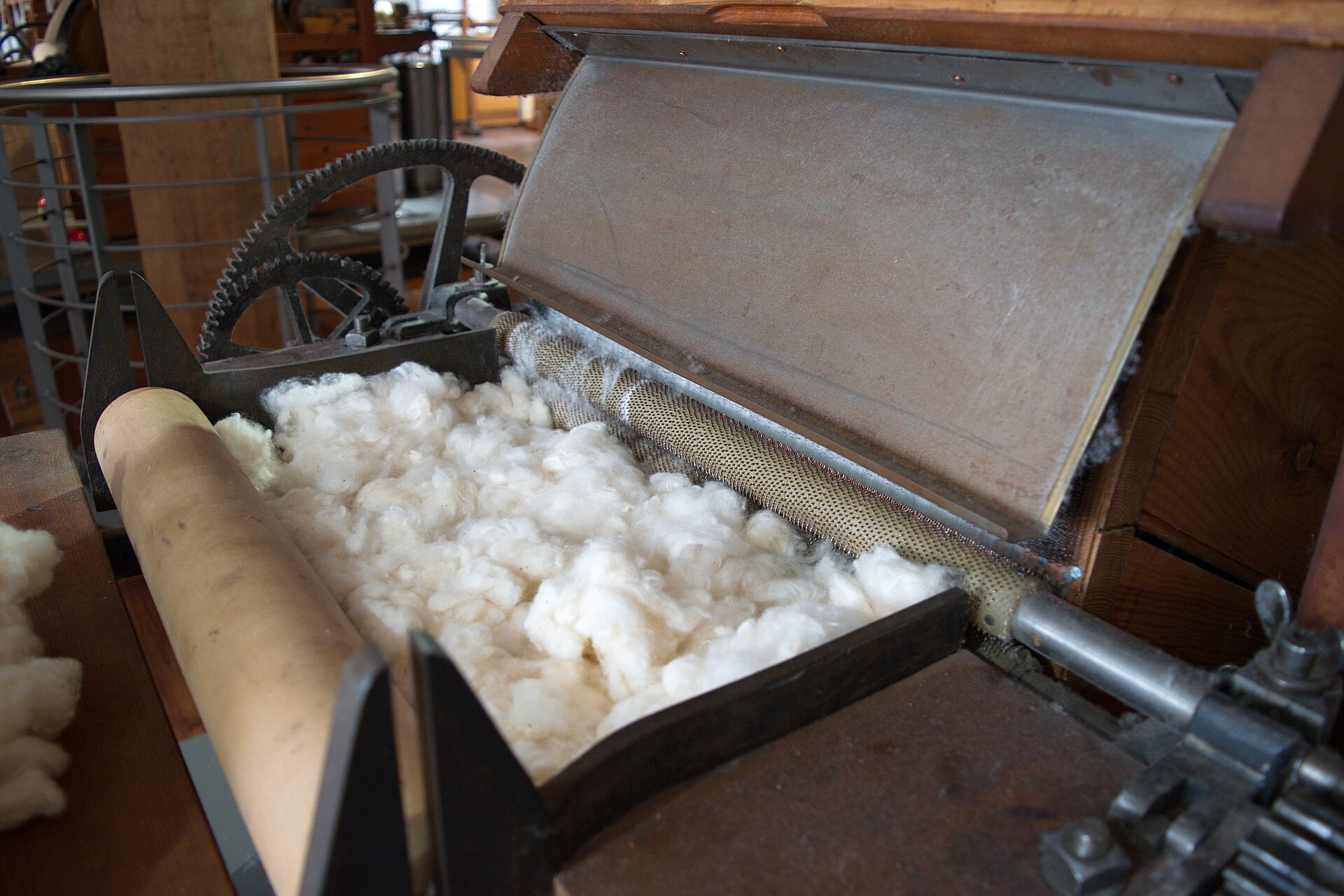
If you have been looking for a stable, contract-based entry point into Germany’s labour market, textile, garment and technical-fabric factory jobs cover far more ground than most people realise. From front-line operational teams in Frankfurt, Munich, Berlin, Hamburg and Düsseldorf to skilled trades and corporate positions, there is a role that matches almost every experience level.
This guide walks you through the main Textile-sector job families in Germany, who can apply, what the pay and benefits typically look like, and exactly how to apply online — for free — through official employer pages and public job portals. Wherever pay is mentioned, treat the figures as typical ranges that vary by employer, shift and collective agreement, and confirm the details in the actual job posting before you accept anything.
Germany Textile Jobs Overview
| Details | Information |
|---|---|
| Topic | Textile, garment and technical-fabric factory jobs across Germany |
| Main employers | garment brands, industrial-textile mills, technical-textile suppliers (automotive interiors, medical textiles) and finishing plants |
| Common roles | Sewing Machine Operator, Cutting & Layup Technician, Quality Control & Finishing, Textile Machine Technician, Warehouse & Dispatch |
| Typical gross pay | €2,000 – €4,200 / month |
| Minimum age | 18 for most operational roles; 21+ for driving-based positions |
| Experience needed | None for many entry-level operational roles — paid training is provided; skilled and corporate roles vary |
| How to apply | Directly on the employer’s website or via public portals such as arbeitsagentur.de (Federal Employment Agency) |
| Application fee | None — applying to any legitimate Germany employer is always free |
What Textile Jobs in Germany Really Are
When people hear “Textile jobs”, they often picture only one type of work. In reality, Germany’s textile sector runs across a wide range of employers — garment brands, industrial-textile mills, technical-textile suppliers (automotive interiors, medical textiles) and finishing plants — and each piece needs different kinds of people. That means the phrase covers everything from an entry-level operational role in Frankfurt to a technical or corporate position at head office.
The common thread is that Germany recruits continuously for these roles, especially before seasonal peaks. Operational roles are the entry point for many workers and are advertised on each employer’s official career page’ + (‘, including ‘ + ‘, ‘.join(a(u,l) for u,l in airports[:3]) if airports else ”) + f’, as well as on Germany’s public employment portal arbeitsagentur.de (Federal Employment Agency).
Textile Jobs in Belgium – Salary, Benefits & Eligibility – Apply For Latest Vacancies
A practical 2026 guide to textile jobs in Belgium — roles, salaries, eligibility and how to apply online for free.
Read the Full Guide →Why These Opportunities Matter
For many job seekers, a Germany textile role represents one of the most accessible on-ramps into stable, contract-based employment. Many operational positions do not require a degree or previous industry experience, only a clean background record and the willingness to complete the paid on-the-job training. Shifts run day, evening, night and weekends, which suits students, career changers, parents returning to work and skilled newcomers alike.
Beyond the first payslip, employers in Germany are known for structured pay scales (often set by collective agreements), statutory health cover and pension contributions, 25–30 paid vacation days per year, subsidised staff canteens, extra pay for nights and weekends, and access to internal training that can lead into supervisor, technical or corporate roles. That combination of an accessible starting point and clear progression is what makes exploring these openings worthwhile.
Main Job Categories
Because the textile sector is wide, it helps to break Germany’s openings into the categories most people apply for. Here is what each one actually involves so you can spot where you fit.
Sewing Machine Operator
Operators run industrial sewing machines to specified quality and speed targets. Full paid training is provided; experienced operators earn a piece-rate bonus.
Electrician Jobs in Netherlands – Salary, Benefits & Eligibility – Apply For Latest Vacancies
A practical 2026 guide to electrician jobs in Netherlands — roles, salaries, eligibility and how to apply online for free.
Read the Full Guide →Cutting & Layup Technician
Cutting-room staff spread fabric, mark, cut and bundle panels for the sewing lines using automated cutters.
Quality Control & Finishing
QC staff inspect finished garments, run steam finishing and pack for shipment.
Textile Machine Technician
Maintenance technicians service weaving, knitting, dyeing or finishing machinery — a mechatronics or textile-mechanics qualification is a big plus.
Warehouse & Dispatch
Warehouse teams manage raw-fabric intake and finished-goods dispatch, including forklift work and shipping documents.
Car Wash Jobs in Belgium – Salary, Benefits & Eligibility – Apply For Latest Vacancies
A practical 2026 guide to car wash jobs in Belgium — roles, salaries, eligibility and how to apply online for free.
Read the Full Guide →Who Can Apply — Eligibility
You must be at least 18 and able to sit or stand at a machine for a full shift. Colour vision and fine dexterity are helpful for sewing and QC roles. Prior experience is not required for entry-level sewing and warehouse positions.
Corporate, technical and management roles at the same employers are a different story. Requirements there may include a university degree, a completed national vocational qualification, certifications, or several years of relevant experience. Non-locals should read make-it-in-germany.com before applying. Always read the specific posting, because eligibility can differ from one employer, city and shift pattern to the next.
| Role | Who It Suits | Typical Requirement | Apply At |
|---|---|---|---|
| Sewing Machine Operator | Entry-level newcomers | 18+, physically capable | arbeitsagentur.de |
| Cutting & Layup Technician | Trained specialists | 18+, vocational certificate or licence | arbeitsagentur.de |
| Quality Control & Finishing | Shift workers & career changers | 18+, willing to work shifts | arbeitsagentur.de |
| Textile Machine Technician | Trained specialists | 18+, vocational certificate or licence | arbeitsagentur.de |
| Warehouse & Dispatch | Shift workers & career changers | 18+, willing to work shifts | arbeitsagentur.de |
⭐ APPLY ONLY ON OFFICIAL EMPLOYER & PUBLIC PORTAL SITES.
Employer career pages plus arbeitsagentur.de (Federal Employment Agency) are the official places to apply. Legitimate Germany employers never charge a fee to apply, interview or get hired, and no recruiter can “guarantee” you a visa or a job for money. If any website, message or agent asks for payment, a passport deposit or bank details to secure a role, it is a scam — stop and report it.
Information & Documents Commonly Required
- A valid passport or national ID card, plus a residence permit if you are not a citizen of the country or its free-movement bloc.
- An up-to-date CV in the Germany or European format, and a short cover letter.
- Certificates for your school, vocational or university qualifications, translated where required.
- Working contact details — a local phone number is helpful once you arrive.
- Any textile, sewing or vocational certificate you already hold.
- A forklift or equipment licence for warehouse roles.
Salary & Benefits Overview
Pay in Germany is typically set by collective wage agreements plus shift and location bonuses. Figures below are indicative gross ranges for full-time roles — the exact rate depends on the employer and the agreement in force.
| Role | Typical Germany Pay | Notes |
|---|---|---|
| Sewing Operator | €2,000 – €2,500 / month | piece-rate on top |
| Cutting Technician | €2,300 – €2,900 / month | automated cutters |
| QC / Finishing | €2,200 – €2,800 / month | inspection & steam |
| Textile Mechanic | €3,200 – €4,200 / month | maintenance |
On the benefits side, most employers in Germany offer statutory health insurance, pension contributions, 25–30 paid vacation days per year, a subsidised staff canteen, discounted or free parking, extra pay for nights and Sundays, and structured internal training that can lead into supervisor or technical career tracks. Terms vary by employer and tenure — treat every figure as a starting point to verify in your actual offer letter.
Step-by-Step: How to Apply Online
Where to Find Official Openings
- arbeitsagentur.de (Federal Employment Agency)
- EURES — the EU cross-border jobs portal
- make-it-in-germany.com
Training & Career Growth Programs
- Paid on-the-job training — most operational roles include a fully paid induction and any regulated safety training you need before your first shift.
- Apprenticeships: Germany has a strong dual-vocational (apprenticeship) system for skilled trades — a proven path from newcomer to certified specialist.
- Language support: larger employers offer or subsidise local-language courses for international hires.
- Internal promotion: a clear ladder from agent → team lead → supervisor → operations manager, with priority given to internal candidates.
- Trade certifications: ADR, forklift, first-aid, food-hygiene, security-officer and PV-installer certifications are commonly funded on the job.
Worked Example
Alex has been looking for a stable, entry-level opening in Germany. They start on arbeitsagentur.de (Federal Employment Agency), filter by “Textile” and by the city that fits — say Frankfurt — and shortlist two direct-hire postings. Non-locals can also confirm work-visa options on make-it-in-germany.com before applying.
Alex uploads a CV in the local format, a short tailored cover letter and their key certificates. A few weeks later they are invited to a video interview, receive a written offer with a specified pay scale under the applicable collective agreement, and only then complete any final paperwork — with no payment ever asked of them at any stage. That is exactly how a real Germany hire should look.
Common Mistakes to Avoid
- Applying through unofficial “agents” on social media instead of the employer’s own career page or the public portals above.
- Paying anyone a “processing fee”, “visa fee” or “training fee” to secure a role — legitimate Germany employers never charge this.
- Sharing your passport, bank details or full identity documents before you have a verified written offer.
- Assuming every posting is a direct hire — many are contracted through ground-handling, security, cleaning or agency providers, so check the actual employer.
- Ignoring the local-language requirement on customer-facing and safety-critical roles.
- Underestimating shift work — Germany rosters include nights, weekends and public holidays.
Your Rights & Staying Safe from Job Scams
Every legitimate Germany application is free, and that single fact is your best defence. No genuine recruiter will ask you to pay for training, uniform, a background check or a “guaranteed” placement, and no one can promise you a visa in exchange for money. If a message pressures you to act immediately, asks for your bank or card details upfront, or directs you to apply somewhere other than an official employer page or arbeitsagentur.de (Federal Employment Agency), treat it as a warning sign and step away.
You also have the right to a written contract before you start work, clear information about your pay scale under the applicable collective agreement, statutory health cover, and protection under German labour law and the applicable Tarifvertrag (collective agreement). When something feels off, slow down, verify the posting directly with the employer and report suspicious “recruiters” rather than engaging with them.
Frequently Asked Questions
Does it cost anything to apply?
Do I need to speak the local language to work in Germany?
Can non-locals apply for these jobs?
How old do I have to be?
What paperwork will I need to sign?
How much does it pay?
Are these shift jobs?
Where should I apply to be safe?
Conclusion
Textile jobs in Germany span a wide sector — which means there is a role that fits your experience today and a clear path to grow into supervisory, technical or specialist positions tomorrow. The key is to explore the openings on the official employer and public portal sites, understand what each role involves, and apply for free without ever paying anyone. Take your time, verify the details, and let this be the moment you discover the Germany textile career that works for you.
👉 Next step: Visit search current openings on arbeitsagentur.de (Federal Employment Agency), and apply online for free.
