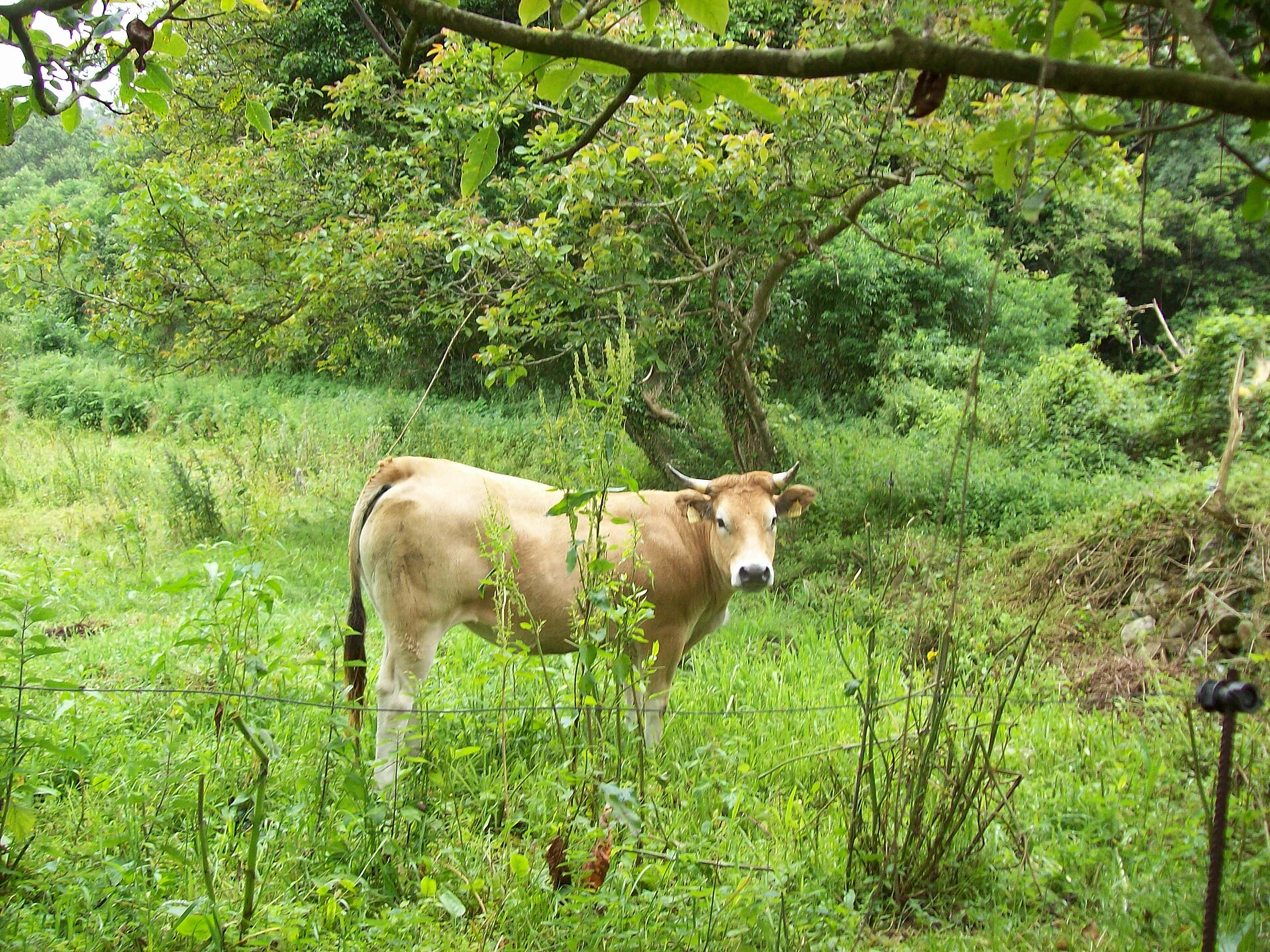
If you have been looking for a stable, contract-based entry point into Spain’s dairy sector, farm and milk-production jobs span far more roles than most people realise. From farm-hand and milking-parlour operators in Lugo, Oviedo, Santander, León and the Bay of Biscay dairy belt to skilled herd managers and production-line staff at cooperatives such as dairy cooperatives (Central Lechera Asturiana, there is a dairy role that matches almost every experience level.
This guide walks you through the main dairy-farm and dairy-production job families in Spain, who can apply, what the pay and benefits typically look like, and exactly how to apply online — for free — through official employer pages and public job portals. Wherever pay is mentioned, treat the figures as typical ranges that vary by employer, shift and collective agreement, and confirm the details in the actual job posting before you accept anything.
Spain Dairy Farm Jobs Overview
| Details | Information |
|---|---|
| Topic | Dairy farm & dairy-production hospitality jobs across Spain |
| Main regions | Galicia, Asturias, Cantabria, the Basque Country and Castilla y León |
| Main employers | family-run explotaciones ganaderas, dairy cooperatives (Central Lechera Asturiana, Feiraco, Kaiku, Pascual, Larsa), Danone and Nestlé milk-buying networks |
| Common roles | Farm Worker, Milking Parlour Assistant, Herd Manager Assistant, Dairy Production Line Worker, Dairy Production Supervisor |
| Typical gross pay | EUR 1,400 – EUR 2,400 / month |
| Minimum age | 18 for most operational roles; 21+ for tractor / machinery driving positions |
| Experience needed | None for many entry-level operational roles — paid on-the-job training is provided; skilled and supervisor roles vary |
| How to apply | Directly on the employer’s website or via the public portal sepe.es (Servicio Público de Empleo Estatal) |
| Application fee | None — applying to any legitimate Spain employer is always free |
What Dairy Farm Jobs in Spain Really Are
When people hear "dairy farm jobs", they often picture only milking cows. In reality, Spain’s dairy sector runs across a wide range of employers — family Bauernhöfe / aziende agricole / farm holdings, national and regional cooperatives, and PDO cheese and butter producers — and each piece needs different kinds of people. That means the phrase covers everything from an entry-level farm worker in Lugo to a skilled herd-manager or production-line supervisor at a cooperative dairy.
The common thread is that Spain recruits continuously for these roles, especially before spring calving and the summer milk-flow peak. Operational roles are the entry point for many workers and are advertised on each employer’s official career page as well as on Spain’s public employment portal sepe.es (Servicio Público de Empleo Estatal).
Bus Driver Jobs in Denmark – Salary, Benefits & Eligibility – Apply For Latest Vacancies
A practical 2026 guide to bus driver jobs in Denmark — roles, salaries, eligibility and how to apply online for free.
Read the Full Guide →Why These Opportunities Matter
For many job seekers, a Spain dairy-farm role represents one of the most accessible on-ramps into stable, contract-based employment. Many farm-worker positions do not require a degree or previous industry experience, only a clean background record, the willingness to complete paid on-the-job training, and the physical fitness for early-morning starts and outdoor work. Shifts run split (morning + evening milking) and rostered weekends, which suits people who like predictable rural schedules with clear time off.
Beyond the first payslip, employers in Spain are known for structured pay scales (often set by the sector’s collective agreement), statutory health cover and pension contributions, 30 calendar days statutory + Sunday premiums, subsidised or included farm accommodation on residential farms, extra pay for weekends and public holidays, and access to internal training that can lead into herd-management, machinery-operator or production-supervisor roles. That combination of an accessible starting point and clear progression is what makes exploring these openings worthwhile.
Main Job Categories
Because the dairy sector is wide, it helps to break Spain’s openings into the categories most people apply for. Here is what each one actually involves so you can spot where you fit.
Dairy Farm Worker
General farm hands feed and bed the herd, clean stalls, help with calving and support pasture / silage work. Physical stamina, punctuality and a real interest in livestock are the core requirements; formal experience is optional.

Bus Driver Jobs in Belgium – Salary, Benefits & Eligibility – Apply For Latest Vacancies
A practical 2026 guide to bus driver jobs in Belgium — roles, salaries, eligibility and how to apply online for free.
Read the Full Guide →Milking Parlour Assistant
Parlour staff run the twice-a-day milking routine, check udder health, sanitise the plant and log yields per cow. Reliability and a calm, methodical approach are what employers look for.
Herd Manager Assistant
Herd assistants support the herd manager with feeding programs, breeding records, calf-rearing and health monitoring. Some agricultural or veterinary study helps at this grade.
Dairy Production Line Worker
Off-farm, dairy processing plants recruit line operators to run pasteurisers, filling lines and packaging equipment for milk, yoghurt, butter and cheese. HACCP hygiene discipline matters.
Dairy Production Supervisor
Supervisors run a shift on the processing floor — they schedule crew, sign off on quality checks and coordinate with maintenance. Prior production experience is normally required.
Taxi Driver Jobs in Denmark – Salary, Benefits & Eligibility – Apply For Latest Vacancies
A practical 2026 guide to taxi driver jobs in Denmark — roles, salaries, eligibility and how to apply online for free.
Read the Full Guide →Who Can Apply — Eligibility
You must be at least 18 for most parlour and machinery-adjacent roles. Guest-facing / customer-facing pieces of the job (farm-shop, agri-tourism) require basic communication in the local language plus English. Prior experience is not required for the entry-level farm-worker, calf-rearing or dairy-processing helper positions — paid training is provided.
Herd-management, technical and supervisor roles at the same employers are a different story. Requirements there may include an agricultural certificate, a completed national vocational qualification (VET / IFAPA / MFR / Landwirtschaftsschule / dairy science), or several years of relevant hands-on experience. Non-locals should read seg-social.es (Ministry of Inclusion, Social Security and Migration) before applying. Always read the specific posting, because eligibility can differ from one employer, region and shift pattern to the next.
| Role | Who It Suits | Typical Requirement | Apply At |
|---|---|---|---|
| Dairy Farm Worker (Peón Agrícola-Ganadero) | Shift workers & career changers | 18+, physically capable | sepe.es |
| Milking Parlour Assistant (Ordeñador) | Shift workers & career changers | 18+, physically capable | sepe.es |
| Herd Manager Assistant | Shift workers & career changers | 18+, physically capable | sepe.es |
| Dairy Production Line Worker | Shift workers & career changers | 18+, physically capable | sepe.es |
| Dairy Production Supervisor | Shift workers & career changers | 18+, physically capable | sepe.es |
⭐ APPLY ONLY ON OFFICIAL EMPLOYER & PUBLIC PORTAL SITES.
Employer career pages plus sepe.es (Servicio Público de Empleo Estatal) are the official places to apply. Legitimate Spain dairy employers never charge a fee to apply, interview or get hired, and no recruiter can "guarantee" you a visa or a job for money. If any website, message or agent asks for payment, a passport deposit or bank details to secure a role, it is a scam — stop and report it.
Information & Documents Commonly Required
- A valid passport or national ID card, plus a residence permit if you are not a citizen of Spain or its free-movement bloc.
- An up-to-date CV in the local or European format, and a short cover letter.
- Certificates for your school, agricultural or vocational qualifications, translated where required.
- Working contact details — a local phone number is helpful once you arrive.
- Food-safety / HACCP certificate if you apply for a dairy-processing role.
- Any tractor, forklift, AI (artificial insemination) or hoof-care certification you already hold.
Salary & Benefits Overview
Pay in Spain is typically set by the sector’s collective agreement plus overtime, weekend and holiday premiums. Figures below are indicative gross ranges for full-time roles — the exact rate depends on the employer and the agreement in force.
| Role | Typical Spain Pay | Notes |
|---|---|---|
| Dairy Farm Worker (Peón Agrícola-Ganadero) | EUR 1,400–EUR 1,650 | EUR / month |
| Milking Parlour Assistant (Ordeñador) | EUR 1,600–EUR 1,900 | EUR / month + Sunday premium |
| Herd Manager Assistant | EUR 1,800–EUR 2,200 | EUR / month |
| Dairy Production Line Worker | EUR 1,700–EUR 2,100 | EUR / month |
| Dairy Production Supervisor | EUR 2,100–EUR 2,400 | EUR / month |
On the benefits side, most dairy employers in Spain offer statutory health insurance, pension contributions, 30 calendar days statutory + Sunday premiums, on-farm accommodation on residential positions (or a housing allowance for processing-plant roles), subsidised or included duty meals, extra pay for Sundays and public holidays, and structured internal training that can lead into supervisor or specialist tracks. Terms vary by employer and tenure — treat every figure as a starting point to verify in your actual offer letter.
Step-by-Step: How to Apply Online
Where to Find Official Openings
- SEPE — Spanish Public Employment Service
- EURES Spain
- Seguridad Social — Ministry of Inclusion & Migration
Training & Career Growth Programs
- Paid on-the-farm training — most operational roles include a fully paid induction covering milking-machine handling, biosecurity and calf-rearing before your first solo shift.
- Apprenticeships: Spain has a strong dual-vocational (apprenticeship) system for the dairy sector — a proven path from farm hand to certified herd manager or Molkerei / dairy technologist.
- Language support: larger employers subsidise local-language courses for international hires — some cooperatives run in-house classes on-site.
- Internal promotion: a clear ladder from farm worker → milking-parlour operator → herd-manager assistant → herd manager / production supervisor, with priority given to internal candidates.
- Trade certifications: tractor, forklift, HACCP food-safety, artificial-insemination and hoof-trimming certifications are commonly funded on the job.
Worked Example
Alex has been looking for a stable, entry-level opening in Spain. They start on sepe.es (Servicio Público de Empleo Estatal), filter by "dairy" and by the region that fits — say Lugo — and shortlist two direct-hire postings. Non-locals can also confirm work-visa options on seg-social.es (Ministry of Inclusion, Social Security and Migration) before applying.
Alex uploads a CV in the local format, a short tailored cover letter and their key certificates. A few weeks later they are invited to a video interview, receive a written offer with a specified pay scale under the applicable dairy-sector collective agreement, and only then complete any final paperwork — with no payment ever asked of them at any stage. That is exactly how a real Spain dairy hire should look.
Common Mistakes to Avoid
- Applying through unofficial "agents" on social media instead of the employer’s own career page or the public portals above.
- Paying anyone a "processing fee", "visa fee" or "training fee" to secure a role — legitimate Spain dairy employers never charge this.
- Sharing your passport, bank details or full identity documents before you have a verified written offer.
- Assuming every posting is a direct hire — some are contracted through agri-work agencies, so check the actual employer name in the contract.
- Ignoring the split-shift structure — dairy rosters typically include an early-morning start (4–5 am) and an evening milking round.
- Underestimating outdoor work — Spain rosters include weekends and public-holiday cover; premium pay usually applies.
Your Rights & Staying Safe from Job Scams
Every legitimate Spain application is free, and that single fact is your best defence. No genuine recruiter will ask you to pay for training, uniform, a background check or a "guaranteed" placement, and no one can promise you a visa in exchange for money. If a message pressures you to act immediately, asks for your bank or card details upfront, or directs you to apply somewhere other than an official employer page or sepe.es (Servicio Público de Empleo Estatal), treat it as a warning sign and step away.
You also have the right to a written contract before you start work, clear information about your pay scale under the applicable collective agreement, statutory health cover, and protection under Spanish labour law (Estatuto de los Trabajadores + Convenio Colectivo del sector agrario). When something feels off, slow down, verify the posting directly with the employer and report suspicious "recruiters" rather than engaging with them.
Frequently Asked Questions
Does it cost anything to apply?
Do I need to speak the local language to work in Spain?
Can non-locals apply for these jobs?
How old do I have to be?
What paperwork will I need to sign?
How much does it pay?
Are these shift jobs?
Where should I apply to be safe?
Conclusion
Dairy Farm jobs in Spain span a wide sector — which means there is a role that fits your experience today and a clear path to grow into herd-management, production-supervisor or dairy-technologist positions tomorrow. The key is to explore the openings on the official employer and public portal sites, understand what each role involves, and apply for free without ever paying anyone. Take your time, verify the details, and let this be the moment you discover the Spain dairy career that works for you.
👉 Next step: Visit search current openings on sepe.es (Servicio Público de Empleo Estatal), and apply online for free.
